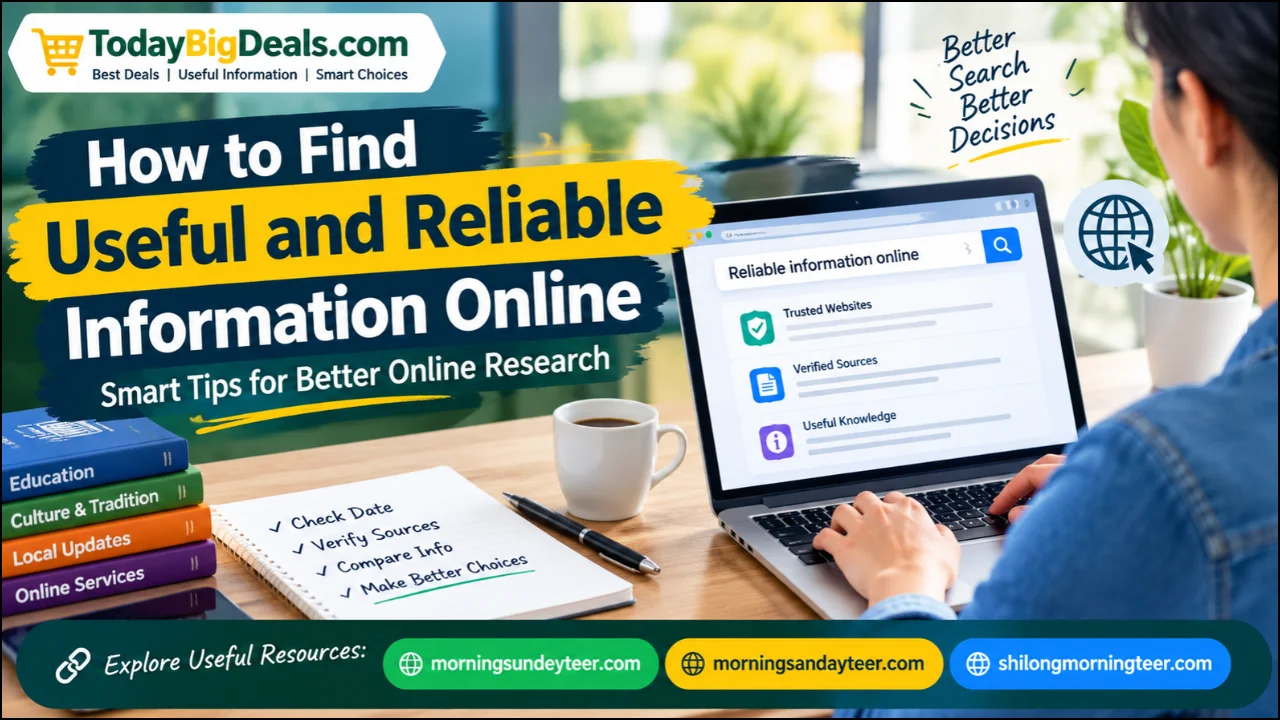
The internet has made it easier than ever to find information about daily updates, local traditions, digital services, lifestyle topics, and useful online resources. However, with so many websites available, finding clear and relevant information can sometimes be challenging. Readers need websites that present information in a simple format, organise their content properly, and make it easy to find the details they are looking for.
Whether someone is researching a local cultural tradition, checking a daily update, or exploring a new online service, a little attention to website quality can make the experience more useful. Understanding how to identify reliable resources also helps readers avoid confusing information and make better use of their time online.
Why Reliable Online Information Matters
Online information influences how people learn about different subjects and make everyday decisions. A well-organised website can help readers understand a topic without having to visit several unrelated pages. Clear headings, descriptive titles, useful examples, and updated information all contribute to a better reading experience.
However, a professional-looking website does not automatically mean that every statement is accurate. Readers should check publication dates, look for supporting references, and compare important details with trustworthy sources whenever necessary.
Websites that explain their purpose and provide appropriate contact information also make it easier for visitors to understand who publishes the content and how to ask questions about it.
Choose Websites According to Your Information Needs
Every website serves a different purpose. Some focus on shopping information, product comparisons, and online services, while others cover education, local news, culture, or specialised topics. Choosing a website that matches your search intent can save time and make research more effective.
For example, readers exploring shopping-related topics may prefer websites that explain product features, compare available options, and provide practical buying considerations. Those researching a regional tradition may benefit more from a specialised website that focuses on the subject in greater detail.
Before relying on a resource, consider whether its content answers your question directly. Check whether the information is current, whether important claims are explained clearly, and whether the website distinguishes factual information from personal opinions or estimates.
The Value of Niche Websites and Local Knowledge
Specialised websites can be useful because they concentrate on a particular subject instead of covering every topic at once. This approach allows readers to explore terminology, background information, historical records, and frequently asked questions related to their interests.
For instance, readers interested in Meghalaya’s traditional archery-based Teer activity can explore Morning Sundey Teer for information about morning results and related reference material. A second resource, Morning Sanday Teer, offers another website focused on morning Teer information. Readers can also visit Shillong Morning Teer to explore content related to Shillong’s morning Teer results.
These websites illustrate how a specialised online resource can organise information for an audience interested in a particular regional subject. When checking time-sensitive results, readers should confirm the date, round, and published result against an appropriate reliable source. Historical records and informal number references should not be treated as guarantees of future outcomes.
How to Evaluate a Website Before Trusting Its Content
A few simple checks can help readers assess whether an online resource is suitable for their needs.
1. Check the Publication Date
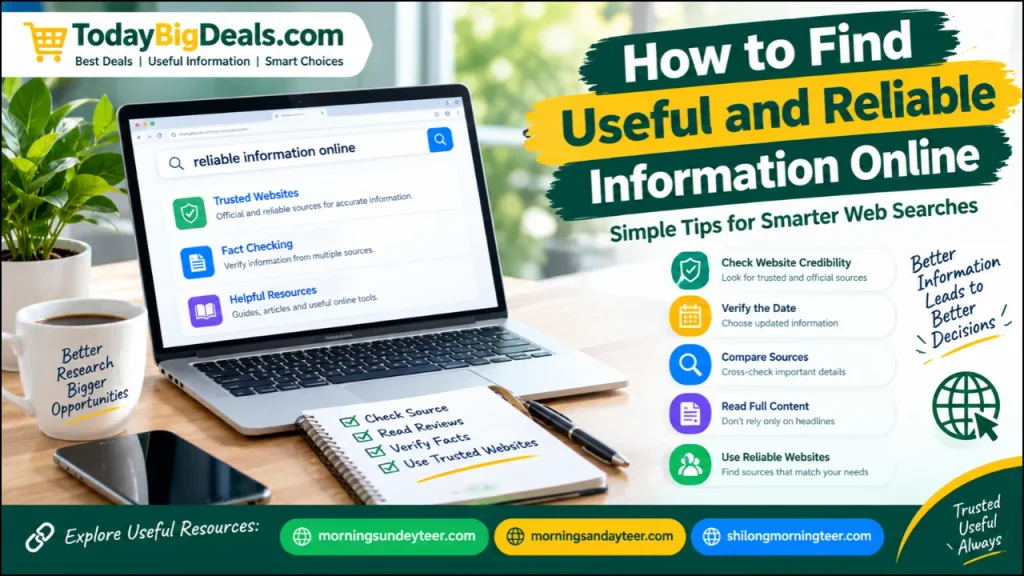
Look for the date on which the information was published or last updated. Dates are especially important for daily results, current offers, product prices, and changing service details.
2. Look for Supporting Sources
Reliable informational content should explain where important facts come from whenever verification is relevant. Official announcements, primary documents, and established reference sources can help confirm important details.
3. Read Beyond the Headline
A headline may summarise a topic, but the full article provides the context. Read the explanation, review any limitations, and avoid making decisions based only on a short snippet or an attractive title.
4. Review the Website’s Purpose
An About page, contact information, editorial explanation, or disclaimer can help readers understand the website’s role. Be cautious when a page makes strong promises without explaining how those promises can be supported.
5. Compare Important Information
If two websites display different information, compare the dates, terminology, and original sources before deciding which information is more credible. For important matters, prioritise authoritative sources over repeated claims across multiple websites.
Make Online Research More Efficient
Finding useful information does not always require opening dozens of pages. A more focused search process can make research quicker and easier.
Start with a clear search phrase that describes the exact information you need. Add a date, location, product name, or subject category when it helps narrow the results. Once you find a relevant page, use its headings and internal navigation to locate the appropriate section.
It is also useful to keep track of the original source of important information. Saving a reference link can help you revisit the page later and check whether the information has changed.
For topics that receive frequent updates, avoid assuming that an older article reflects the latest position. Recheck the publication date and consult a current source before relying on time-sensitive details.
Why Clear Website Content Improves the Reader Experience
Good website content should answer a reader’s question without creating unnecessary confusion. Short, descriptive headings help visitors scan an article, while informative paragraphs provide enough context to understand the subject.
Internal links can also improve navigation when they lead to genuinely relevant pages. For example, an article explaining a regional tradition might link to a detailed historical overview, a glossary, or a page explaining how records are maintained. These links should help readers continue their research rather than interrupt the article with unrelated promotions.
Images can make an article easier to understand when they provide useful context. A photograph, explanatory illustration, or screenshot may support the text, provided it is relevant, properly licensed, and accompanied by an accurate description.
Website owners should also ensure that pages load properly on mobile devices, use readable text, and avoid intrusive elements that make navigation difficult.
The Importance of Responsible Information Sharing
Information becomes more useful when it is shared with appropriate context. Before forwarding a result, statistic, offer, or claim, check whether it is current and whether the original source supports it.
Readers should be especially careful with financial claims, health information, legal guidance, and predictions. No website should be treated as automatically authoritative simply because it appears prominently in search results.
For regional games and cultural activities, it is important to distinguish between the underlying tradition, published historical records, and personal interpretations. Keeping these categories separate helps readers understand what is known and what remains uncertain.
Responsible publishing also means correcting mistakes when they are identified and avoiding misleading headlines that promise more than the article delivers.
Conclusion
The internet offers access to an enormous range of information, but finding a useful resource requires more than clicking the first result. Readers can improve their research by checking publication dates, reviewing sources, comparing important details, and choosing websites that match their interests.
Specialised websites can make particular subjects easier to explore, while clear writing and helpful navigation improve the overall experience. By approaching online information thoughtfully and verifying important claims, readers can spend less time searching and more time learning from relevant, well-presented resources.